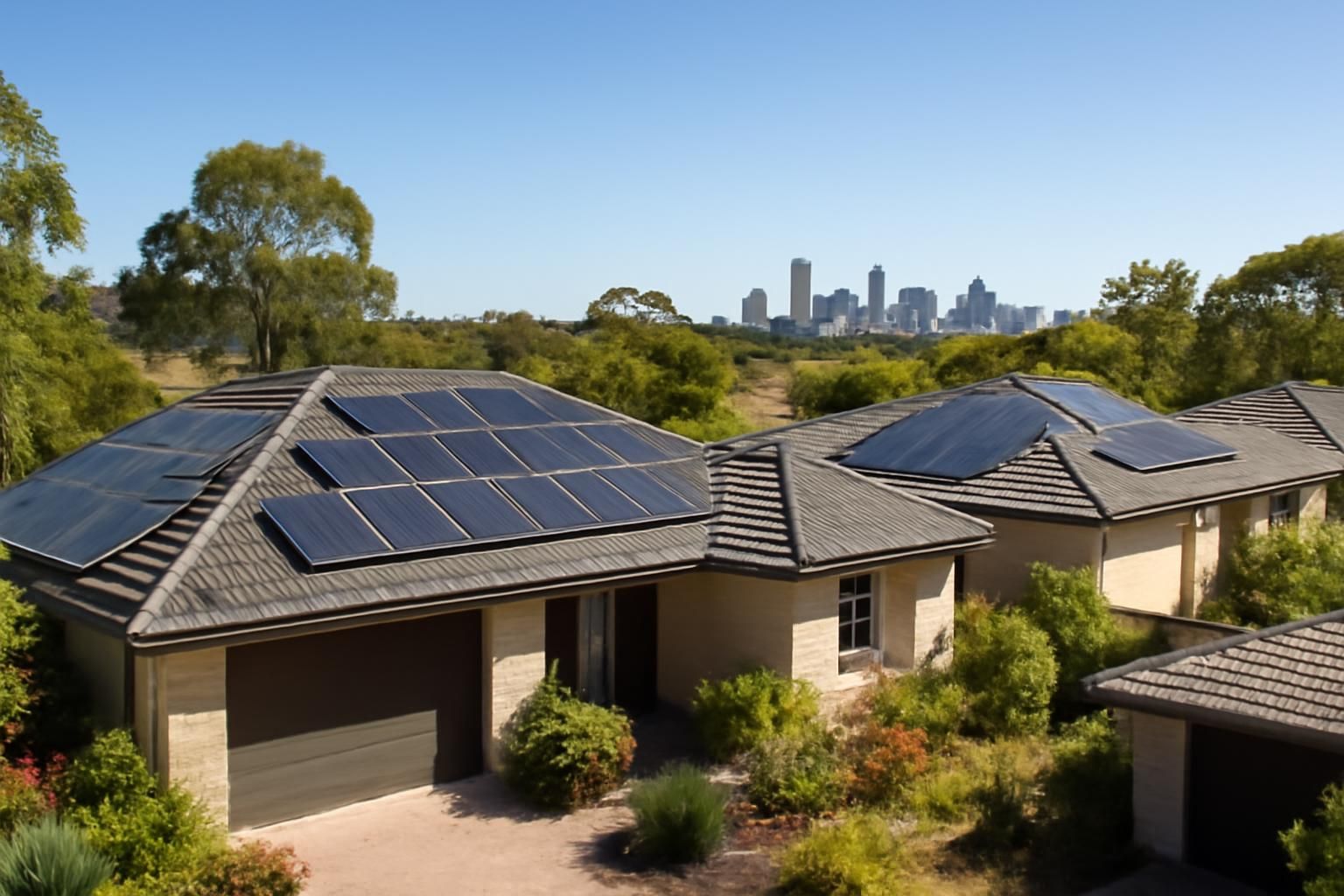
Solar panels are revolutionizing energy consumption in Brisbane suburbs as more homeowners embrace renewable energy solutions to combat rising electricity costs and environmental concerns. Brisbane’s favorable subtropical climate, with over 5.2 peak sun hours daily, positions the city as a prime location to harvest solar energy effectively, offering homeowners measurable energy savings and contributing to sustainable living. Understanding the intricacies of solar installation, from cost considerations to installation tips and maximizing benefits, has become essential for making informed decisions in this flourishing market.
With government incentives like the Small-scale Renewable Energy Scheme (SRES) providing attractive rebates, and the advancement of home solar systems including battery storage options, residents can now tailor solar solutions to fit their specific needs and budgets. Brisbane suburbs present varied roof types, shading conditions, and energy consumption patterns, all influencing solar panel performance and installation strategies. This comprehensive look into solar panels in Brisbane suburbs offers invaluable guidance on harnessing sustainable energy for a greener future and optimized energy independence.
Key takeaways:
- Brisbane’s sunny climate enables high solar energy production and energy savings.
- Residential solar systems are supported by substantial government rebates, reducing upfront costs.
- Choosing the right system size, panel quality, and installer critically impacts solar power benefits.
- Battery storage enhances energy independence and utilization of excess solar power.
- Proper roof assessment and shading analysis ensure maximum solar installation efficiency.
- Dynamic export limits by Energex influence how much solar power can be fed back into the grid.
- Comparing multiple quotes and installer credentials guarantees value and reliability.
- Investing in premium solar panels tends to pay off with greater long-term returns.
Understanding Solar Energy Potential in Brisbane Suburbs
The solar energy potential in Brisbane suburbs is among the highest in Australia, thanks to the region’s climate characterized by an average of approximately 4.2 peak sunlight hours per day. This abundance of sunlight translates into efficient solar power generation for both small and large residential solar setups. Homeowners benefit by generating electricity that meets their daytime consumption and often create surplus power to sell back to the grid, earning feed-in tariffs.
Brisbane’s unique subtropical climate includes mild winters and long, sunny summers, factors that maintain steady solar energy production year-round. Unlike regions with significant seasonal fluctuations, Brisbane’s solar output remains relatively stable, providing predictable energy generation patterns beneficial for planning home solar systems.
To capitalize on this solar yield, the direction and tilt of panels play a pivotal role. Ideally, solar panels in Brisbane suburbs face north to maximize sun exposure throughout the day, with a tilt of about 27°, matching the city’s latitude. Shading from trees, adjacent buildings, or roof obstructions diminishes efficiency substantially, so professional site assessments are recommended to identify shading hotspots before system design.
Moreover, the distributed network service provider Energex manages grid connections for most Brisbane households. They enforce export limits—commonly a 5kW threshold per phase—which affects how much energy owners can feed back to the grid. However, recent “Dynamic Connections” settings allow flexible export adjustments based on network load, potentially permitting higher export during low congestion periods.
This solar-friendly environment in Brisbane suburbs makes solar panel adoption practical and rewarding for residents interested in reducing carbon footprints and achieving energy self-sufficiency. The consistent sunlight levels ensure that home solar systems deliver reliable performance with minimal seasonal variation, providing a robust foundation for renewable energy investment.
Breaking Down the Cost of Solar Panel Installation in Brisbane
The cost of installing solar panels in Brisbane suburbs varies according to system size, panel and inverter brands, roof complexity, and installer rates. In 2026, typical price ranges are as follows:
| System Size | Average Cost (Before Rebates) | Average Cost (After Rebates) | Popularity |
|---|---|---|---|
| 3kW System | $3,200 – $4,500 | ~$3,000 | Moderate |
| 6.6kW System | $4,800 – $7,000 | ~$5,210 | Most Popular |
| 10kW System | $8,000 – $12,000 | ~$9,500 | High Demand |
The initial financial investment is heavily influenced by the chosen system size; larger systems require a greater upfront outlay but offer proportionally higher energy savings over time. High-quality panels and European-made inverters such as Fronius and SMA, although more expensive, provide superior efficiency, durability, and extended warranties—factors that significantly enhance long-term solar benefits.
Roof complexity also factors into final costs. For example, tiled roofs, multiple stories, or unconventional angles can increase installation labor and material expenses. Homeowners in suburban Brisbane areas with more straightforward roof structures might therefore see reduced costs compared to those with complex rooftops.
Lastly, installer reputation and certification standards such as Clean Energy Council accreditation also affect price points. Trusted professionals may charge a premium but deliver better craftsmanship, warranties, and reliable system performance, ensuring energy savings over the system’s lifespan.
Importantly, Brisbane homeowners can offset much of this expense through generous government incentives, which are detailed in the next section. These rebates make solar panel installation far more accessible and financially viable across diverse Brisbane suburbs.
Leveraging Government Rebates for Solar Panel Installation in Brisbane
The federal government’s Small-scale Renewable Energy Scheme (SRES) provides a powerful incentive mechanism for Brisbane homeowners investing in solar power. This program awards Small-scale Technology Certificates (STCs), which act as tradable assets that installers often pass on as upfront rebates to reduce system costs significantly.
The number of STCs received depends on system capacity and installation date, with values generally around $35 per STC in 2026. The rebate estimate for common system sizes is demonstrated below:
| System Size | Approximate STCs | Rebate Value (at $35/STC) |
|---|---|---|
| 3kW | 45 | $1,575 |
| 6.6kW | 100 | $3,500 |
| 10kW | 152 | $5,320 |
To benefit fully from these rebates, several steps should be observed:
- Use a Clean Energy Council (CEC) accredited installer who understands regulatory requirements.
- Confirm that the solar panels and inverters are registered components under the SRES for eligibility.
- Schedule installation promptly before the STC multiplier reduces with time, which may decrease rebate values in future years.
These government incentives have a direct, positive impact on the affordability of solar systems, increasing uptake in Brisbane suburbs and encouraging more sustainable living practices. They also underline the importance of qualified installers and compliant equipment, supporting long-lasting system reliability and optimal solar benefit realization.
Solar Installation Process in Brisbane for Optimal Energy Savings
Understanding the solar installation process in Brisbane suburbs is vital for homeowners to feel confident and prepared when transitioning to solar energy. The procedure involves several key stages to ensure a smooth experience and maximum system performance.
1. Initial Consultation – The installer reviews your household’s energy consumption, budget, and goals. This helps tailor the solar solution to individual needs, whether it’s reducing energy bills or supporting greener living.
2. Site Assessment – Professionals inspect your roof’s size, orientation, shading, and structural condition. In Brisbane suburbs, trees or nearby buildings can cast shadows that negatively impact your solar output. This assessment guides the precise placement of panels for ideal sunlight exposure.
3. System Design – Based on assessment data, a customized system design is developed, often favoring a 6.6kW system for typical households. The design includes the number of panels, inverter type, and possible battery integration plans.
4. Installation Day – Licensed technicians typically complete installation within a single day, though complex rooftops may require additional time. Panels, inverters, and mounting hardware are securely fitted, ensuring compliance with safety standards and manufacturer specifications.
5. System Testing and Grid Connection – After installation, thorough testing verifies that the system operates efficiently. Installation teams arrange necessary permits and coordination with Energex for the grid connection, including export limit setup.
This well-orchestrated process highlights solar power tips to promote energy savings, such as regular system monitoring and maintenance. By working with accredited installers and embracing local installation guidelines, Brisbane homeowners can maximize solar energy utilization and enjoy substantial cost savings.
Choosing the Right Solar Panels and Inverters for Brisbane Suburbs
Selecting the appropriate solar panels and inverters is a pivotal decision that influences system longevity, efficiency, and overall solar benefits. Brisbane’s climate favors reliable and efficient equipment capable of withstanding subtropical weather conditions.
Among the most recommended solar panel brands are:
- Canadian Solar: Offers a compelling balance of cost-efficiency and performance suitable for typical Brisbane households.
- LONGi: Known for their durability and high efficiency, ideal for maximizing solar energy output in sunny Brisbane suburbs.
- Jinko Solar: A favored budget option with strong warranties, providing dependable energy production.
- SunPower and LG Solar: Premium panels delivering top-tier performance and extended product warranties.
Equally critical are inverter choices, as they convert DC electricity from panels into usable AC power:
- Fronius (Austria): Recognized for high efficiency and robust European-grade manufacturing.
- SMA (Germany): Known for longevity and exceptional performance in various climatic conditions.
- Sungrow (China): A reliable and cost-effective mid-tier inverter brand making strides in Brisbane markets.
- Enphase (USA): Microinverter technology offering module-level optimization, ideal for shaded or complex roofs.
High-quality brands come with better warranties and reduce the need for maintenance, thus improving long-term financial returns despite higher upfront costs. Brisbane homeowners opting for premium systems often realize more substantial energy savings and system resilience in the face of climatic stressors.
Integrating Battery Storage with Solar Panels in Brisbane Suburbs
Battery storage integration is increasingly popular among Brisbane residents seeking to maximize the use of renewable energy and enhance energy independence beyond daylight hours. Solar batteries store surplus energy generated during the day to power homes at night or during grid outages, expanding the utility of home solar systems.
| Battery Size | Estimated Cost | Ideal For |
|---|---|---|
| 5kWh | $4,500 – $6,000 | Small homes with limited after-sunset energy use |
| 10kWh | $8,000 – $12,000 | Medium households needing substantial night usage |
| 13kWh+ | $13,000+ | Large homes requiring extensive energy independence and backup |
Although battery costs add to the initial investment, their benefits include enhanced autonomy from the electrical grid, emergency power during blackouts, and the potential to sell excess stored energy back to the grid under favorable arrangements.
The typical payback period for battery systems ranges from 7 to 10 years, longer than solar panels alone, but the energy security and sustainability benefits make them an attractive option in Brisbane’s energy landscape.
Essential Solar Power Tips for Maximizing Efficiency in Brisbane Suburbs
To extract the most value from solar installations, Brisbane homeowners should adopt several practical solar power tips aimed at efficiency and reliability:
- Regular system maintenance: Clearing debris and inspecting panels prevents loss of output.
- Optimize panel orientation and tilt: Ensuring panels face true north at 27° optimizes sunlight capture.
- Monitor system performance: Many installers provide mobile apps to track solar output and detect issues early.
- Manage energy consumption timings: Scheduling high-power appliances during daylight hours increases direct solar usage.
- Use energy-efficient appliances: Reducing overall consumption complements solar-generated power.
- Consult local experts: Brisbane’s bespoke solar conditions require informed installer recommendations.
These strategies not only uphold system performance but also amplify the solar benefits, combining environmental responsibility with tangible savings on electricity bills.
Comparing Brisbane Solar Installers: Ensuring Quality and Value
Choosing a reputable solar installer is a crucial factor in guaranteeing a successful solar panel installation in Brisbane suburbs. Homeowners should seek installers who are Clean Energy Council (CEC) accredited with verifiable local experience. Accreditation ensures compliance with Australia’s stringent installation standards and access to government rebates.
Due diligence includes asking for multiple quotes to compare price structures, system components, and warranties. Beware of offers that seem unusually cheap, as these often come with subpar equipment or inexperienced installation crews. Instead, prioritize installers who provide transparent quotations, detailed product information, and strong workmanship guarantees.
Online customer reviews and testimonials also offer insight into previous projects and service quality. Engaging with installers who offer monitoring applications and post-installation support further enhances system reliability and user experience.
For additional personalized guidance, you might explore detailed resources like comprehensive solar installation guides for Brisbane or solar panel checklists specifically tailored for Brisbane suburbs.
How much can I save by installing solar panels in Brisbane?
Homeowners in Brisbane suburbs typically reduce their electricity bills by 50-70%, with payback periods ranging from 3 to 5 years depending on system size and usage. This saving also depends on export tariffs and consumption habits.
Are there any limits on exporting solar energy back to the grid in Brisbane?
Yes, Energex sets residential export limits generally around 5kW per phase, with some flexibility through dynamic connections that can allow export up to 10kW during low network congestion.
What is the ideal solar panel system size for a typical Brisbane home?
Most Brisbane households benefit from a 6.6kW solar system, balancing cost, government rebates, and energy needs.
Should I invest in battery storage with my solar panels?
Battery storage enhances energy independence and blackout resilience but has a longer payback period. It’s worthwhile for homeowners seeking maximum energy control and sustainability.
How to choose a reliable solar installer in Brisbane suburbs?
Look for Clean Energy Council accreditation, local experience, competitive quotes, good reviews, and warranties on both equipment and installation workmanship.